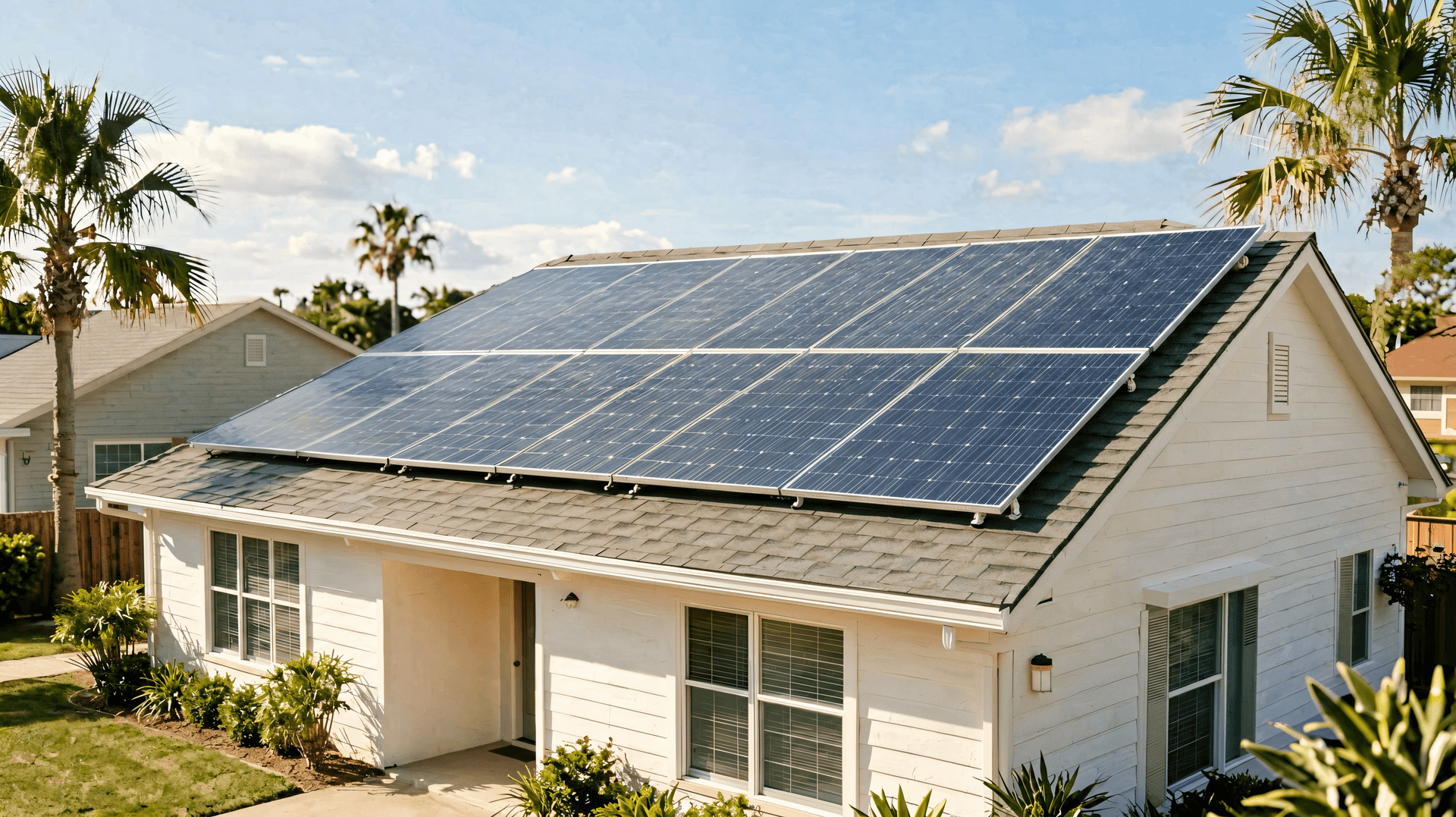
TL;DR
- Solar panels are designed to withstand extreme weather, including hurricanes.
- The installation quality and standards significantly affect their durability.
- Homeowners can look for panels wind-rated to 140 mph or higher.
- Local regulations often dictate the installation protocols for safety and durability.
- Regular maintenance can enhance the lifespan and performance of solar systems.
How resilient are solar panels against hurricanes?
Solar panels are engineered to endure severe weather conditions, including hurricanes. Most modern photovoltaic systems undergo rigorous testing to ensure they can withstand high winds, heavy rains, and debris impact. The specific resilience depends on various factors, including the quality of the panels, the mounting system used, and local building codes.
What are the wind ratings for solar panels in Florida?
Solar panels are often wind-rated based on their ability to withstand gusts of wind. In Florida, it's wise to choose panels that can endure winds of 140 mph or more, especially in hurricane-prone areas. The following table outlines typical wind ratings for different types of solar panels:
| Panel Type | Wind Rating (mph) | Recommended in Florida? |
|---|---|---|
| Standard Panels | 90-110 | No |
| High-Performance Panels | 140-160 | Yes |
| Hurricane-Rated Panels | 160-200 | Yes |
How does installation affect the resilience of solar panels?
The installation process is crucial for ensuring the durability of solar panels during hurricanes. A poorly installed solar system may be prone to damage. To enhance robustness:
- Ensure a qualified, licensed contractor handles installation.
- Choose mounting systems specifically designed for high winds.
- Follow local building codes and regulations.
- Regularly scheduled maintenance can help preemptively identify any vulnerabilities.
What should Florida homeowners consider regarding solar panels and hurricanes?
Florida homeowners interested in installing solar panels should consider several factors related to hurricanes:
- Material Durability: Stainless steel brackets and aluminum rails offer better protection than plastic options.
- Tilt and Orientation: Panels should be installed at an angle that allows for effective water runoff and minimizes wind resistance.
- Consult Local Experts: Be informed about the local regulations regarding solar installations in hurricane-prone regions.
Does insurance cover solar panel damage during hurricanes?
Many standard homeowners' insurance policies include coverage for solar panels, but coverage can vary widely. Homeowners should review their policy details regarding natural disasters like hurricanes. It’s advisable to contact your insurance provider to understand:
- Coverage limits for solar panels.
- Deductibles associated with wind damage.
- Options for additional coverage.
How can homeowners prepare their solar panels for a hurricane?
Before a hurricane strikes, homeowners can take proactive steps to prepare their solar panels:
- Monitor Weather Alerts: Keep informed about local weather reports and warnings.
- Inspect Your System: Check for loose panels or hardware long before hurricane season.
- Remove Debris: Clear falling branches and other debris away from the roof to reduce impact risk.
- Document Your System: Take photos of your installation for insurance purposes.
Conclusion
In summary, solar panels can indeed survive hurricanes, especially those that are properly installed and vetted against local weather standards. By selecting high-quality panels and ensuring their secure installation, homeowners in South Florida can have confidence in their solar systems while enjoying potential energy savings. If you're curious about your eligibility for solar lease options that fit your needs, feel free to check out our offerings today!