TL;DR
- Solar leasing allows homeowners to enjoy solar energy without ownership responsibilities.
- A solar lease typically requires $0 down payment and provides estimated savings on your energy bills.
- Homeowners can take advantage of net metering and various local incentives in Miami-Dade, Broward, and Palm Beach counties.
- Florida Power & Light customers can benefit from solar energy while potentially offsetting their electric costs.
- Understanding the solar leasing process helps in making informed decisions about energy consumption.
What is solar leasing?
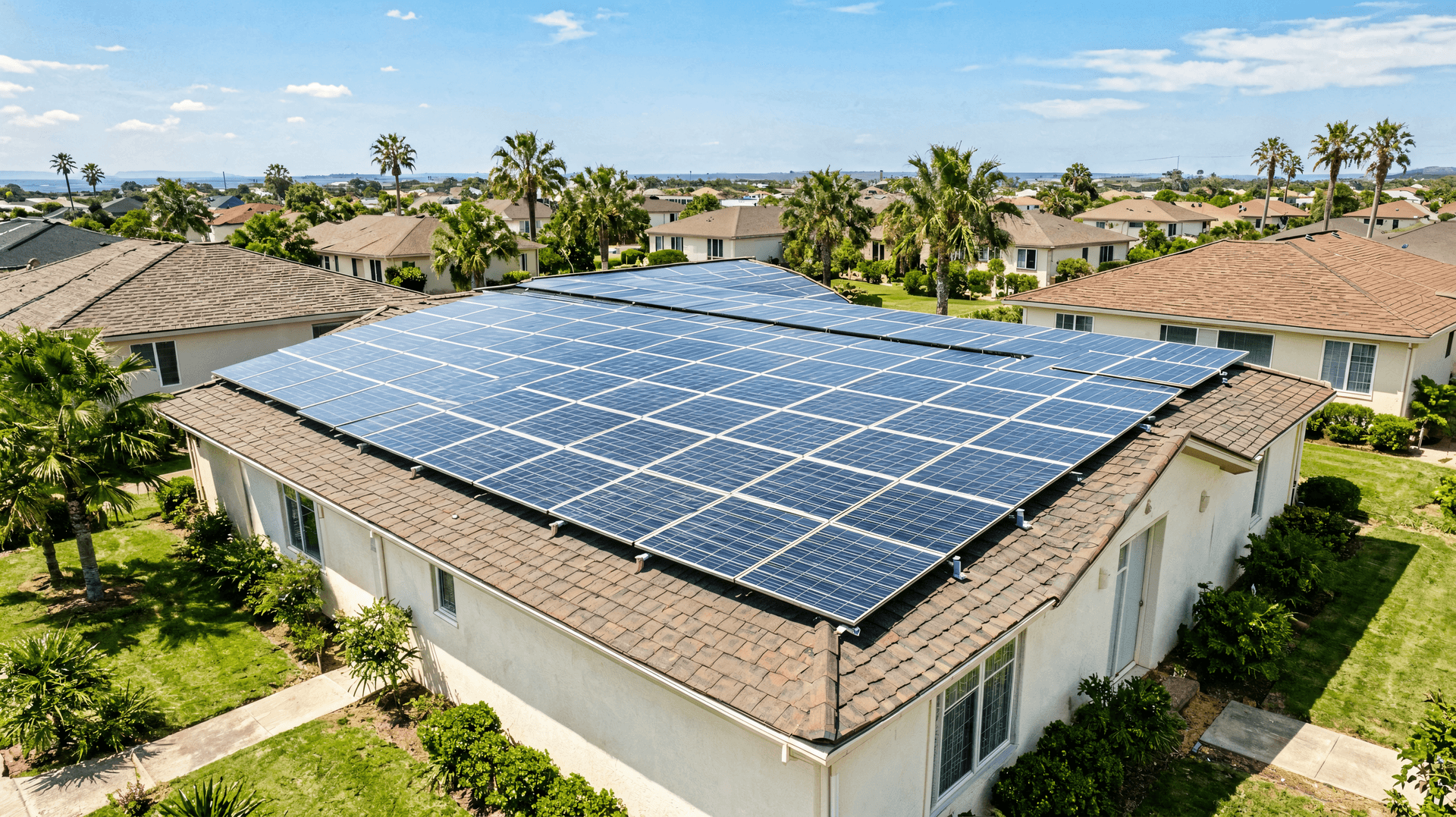
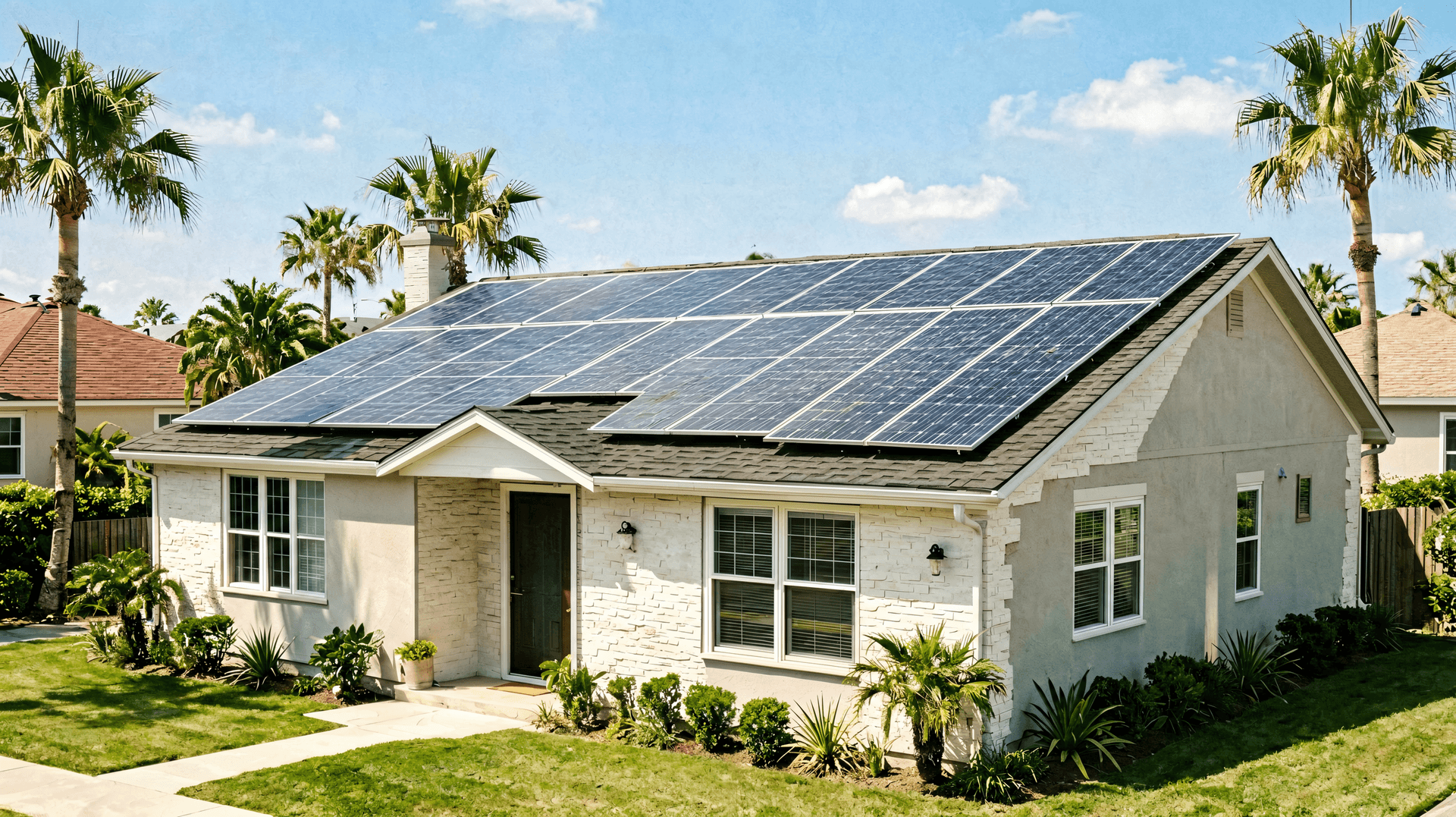
Solar leasing is a financial agreement that allows homeowners to use a solar photovoltaic system installed on their property without purchasing it outright. Instead of owning the system, the homeowner pays a monthly lease payment to a solar provider. This setup makes solar energy accessible to more homeowners, especially those who may not have the upfront capital needed to buy a system.
How does a solar lease work?
In a solar lease arrangement, a third-party solar company installs a photovoltaic system on your home at little to no upfront cost. You agree to pay a fixed monthly lease payment for the use of the system, which generates electricity. The lease typically lasts 20 to 25 years, and at the end, you may have the option to buy the system, renew the lease, or have it removed. Most leases include maintenance and monitoring, meaning the provider is responsible for keeping the system running and servicing it as needed — one less thing for you to manage.
What are the benefits of solar leasing?
- No Upfront Costs: A major advantage of solar leasing is that most arrangements require $0 down. This makes renewable energy solutions accessible to a broader audience.
- Predictable Payments: Monthly payments are often fixed, providing a sense of financial stability as they eliminate unexpected spikes in energy bills.
- Maintenance-Free: Typically, the leasing company is responsible for maintenance and repairs, meaning homeowners don’t have to invest time or money into system upkeep.
- Access to Incentives: Lease agreements allow homeowners to benefit from local solar incentives and net metering programs in South Florida, which can further enhance savings.
Comparison Table of Solar Leasing vs. Buying
| Feature | Solar Lease | Purchasing Solar System |
|---|---|---|
| Upfront Cost | $0 Down | Significant upfront payment |
| Ownership | No | Yes |
| Maintenance | Provider's responsibility | Homeowner's responsibility |
| Financial Incentives | Limited (partial) | All incentives can be claimed |
| Long-term Savings | Estimated savings | Potentially higher overall savings |
What costs are associated with a solar lease?
While leasing a solar system typically involves little to no upfront costs, it's essential to understand the potential ongoing expenses, such as:
- Monthly lease payments: Fixed payments made to the leasing provider.
- Minor utility charges: Homeowners may still be responsible for certain fees from their utility company, such as connection fees.
- Any applicable fees for excess energy consumption beyond what the solar system generates.
What is net metering, and how does it apply to solar leasing?
Net metering is a billing mechanism that allows homeowners with solar energy systems to receive credits for excess energy produced and sent back to the grid. When your system generates more electricity than your home consumes, this surplus energy is fed back into the utility grid, and your account is credited. In South Florida, various utility companies, including Florida Power & Light, offer net metering benefits, making it an attractive feature for solar leasers. This means that homeowners can potentially further reduce their monthly electricity costs.
How to determine if solar leasing is right for you?
If you're considering solar leasing, here are a few steps to assess your suitability:
- Evaluate Your Energy Needs: Review your current energy consumption and bill statements. Understand how much energy you typically use.
- Research Local Solar Providers: Look for reputable companies with good reviews and similar projects in your area.
- Compare Solar Financing Options: Analyze the differences between leasing, buying, and financing solar systems to find which suits your financial situation best.
- Check Eligibility for Incentives: Investigate available local and state incentives that may offset installation or leasing costs.
- Consult with Experts: Reach out to solar energy consultants for professional advice tailored to your specific circumstances.
What incentives are available for solar leasing in South Florida?
In South Florida, homeowners can access a variety of local incentives to help lower the cost of solar energy. These may include:
- Federal Tax Credit: Homeowners may qualify for a federal tax credit that allows a percentage of solar energy installation costs to be deducted.
- State and Local Rebates: Depending on the county, there may be specific rebates available for solar installations.
- PACE Financing: Property Assessed Clean Energy (PACE) financing allows homeowners to finance energy-efficient upgrades using property tax assessments.
Conclusion
Solar leasing in South Florida offers homeowners a viable way to harness solar energy without the financial burden of purchasing a system outright. By considering the benefits, costs, and available incentives, homeowners can make informed decisions about their energy future. If you're curious about whether you qualify for solar leasing, feel free to reach out for a no-impact eligibility check!