TL;DR
- Net metering allows homeowners in Florida to use energy produced by their solar systems to offset their energy bills.
- Homeowners receive credits for surplus energy sent back to the grid, which can be used during times of higher consumption.
- Florida Power & Light (FPL) is a key player in net metering policies in the state, impacting Miami-Dade, Broward, and Palm Beach counties.
What is Net Metering?
Net metering is a billing arrangement that allows homeowners with solar energy systems to receive credit for the excess power they generate and feed back into the electricity grid. Essentially, when your solar system produces more electricity than you consume, the surplus power is sent back to the grid, and you receive a credit on your utility bill. This arrangement makes solar power more financially viable for homeowners and encourages renewable energy use.
How Does Net Metering Work in Florida?
In Florida, net metering is regulated by the Florida Public Service Commission and is available to customers of major utilities, including Florida Power & Light (FPL). Here's how it works:
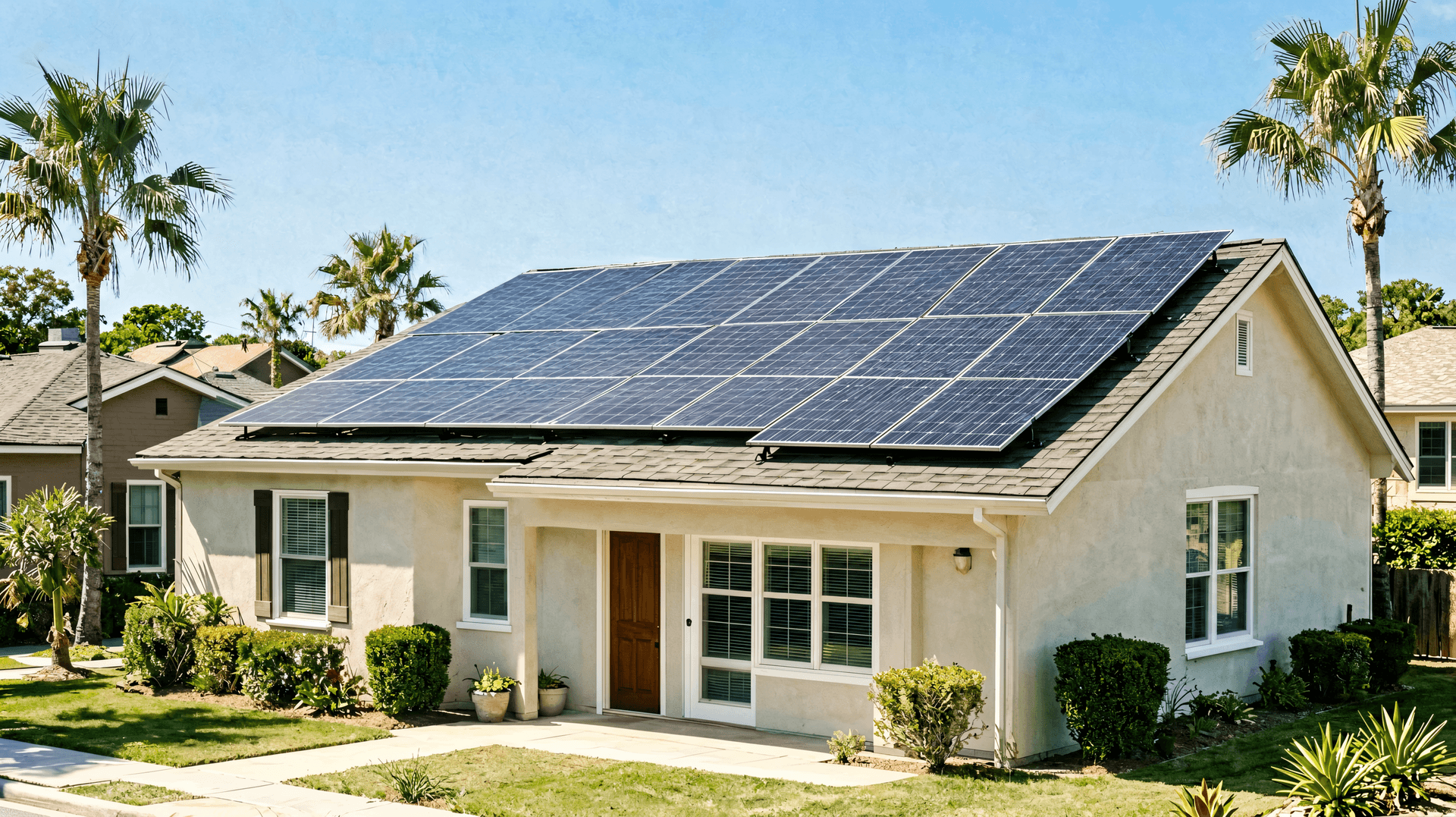
- Installation of a Photovoltaic System: Homeowners install a photovoltaic system that generates electricity from sunlight.
- Electric Meter: The homeowner's electric meter tracks the amount of electricity consumed from the grid and the amount produced by the solar system.
- Excess Energy Generation: When the solar system generates more electricity than the homeowner uses, the surplus is fed into the grid. This creates a credit on the homeowner's bill.
- Credit Usage: Credits can be used to offset future electricity usage, especially during non-sunny days or at night when solar generation ceases.
How Are Net Metering Credits Calculated?
The credits you receive for excess energy you send back to the grid depend on the utility's rate structure. In Florida, FPL uses a one-to-one credit system, meaning that for every kilowatt-hour (kWh) of energy exported back to the grid, you receive a credit equal to that amount on your bill. Here’s a breakdown of how it affects your bills:
| Monthly Energy Usage | Energy Generated by Solar | Net Metering Credits | Final Bill |
|---|---|---|---|
| 1000 kWh | 1200 kWh | 200 kWh | Offset Bills |
| 800 kWh | 600 kWh | 0 kWh | Pay Full Bill |
What If I Produce More Energy Than I Consume?
If your photovoltaic system produces more energy than you consume over a billing period, you may accumulate net metering credits. These credits roll over, allowing you to use them in the future. However, it’s important to note that accumulation rules can vary by utility providers. With FPL, credits may expire after 12 months if not used, so it's beneficial to monitor your production and consumption closely.
Are There Any Limitations to Net Metering in Florida?
While net metering offers many advantages, there are some limitations to consider:
- System Size: The solar power system must meet specific size requirements based on your household usage.
- Interconnection Standards: Homeowners must comply with local interconnection standards set by their utility provider.
- Credit Expiry: Unused credits typically expire after a year, requiring foresight in planning solar production and energy needs.
How Does FPL Handle Net Metering?
Florida Power & Light has its own set of rules and frameworks around net metering, which homeowners must consider:
- Application Process: Homeowners need to apply for interconnection and net metering status with FPL.
- Net Metering Cap: FPL operates under a cap that limits the total amount of net metering customers; ensuring you apply early is important before reaching the maximum.
- Customer Responsibilities: Customers must ensure their solar energy systems meet FPL's interconnection standards.
Conclusion
Net metering in Florida presents a valuable opportunity for homeowners to use renewable energy, offset their electric bills, and contribute to the state's solar initiatives. While it offers insightful benefits, it’s essential to understand the rules established by Florida Power & Light and other utilities.
If you're considering going solar, it’s a good idea to check your eligibility for net metering and explore how installing a photovoltaic system could financially benefit you in the long run. Reach out to see how we can help you navigate your solar journey.