TL;DR
- Solar energy can significantly reduce electricity bills for homeowners in Florida.
- A solar lease allows homeowners to access solar power without owning the system.
- Net metering lets homeowners earn credit for excess energy produced by their photovoltaic system.
- Miami-Dade, Broward, and Palm Beach counties offer various incentives for solar installation.
- The decision to go solar depends on individual circumstances including energy consumption and financing options.
What Are the Benefits of Solar Energy in Florida?
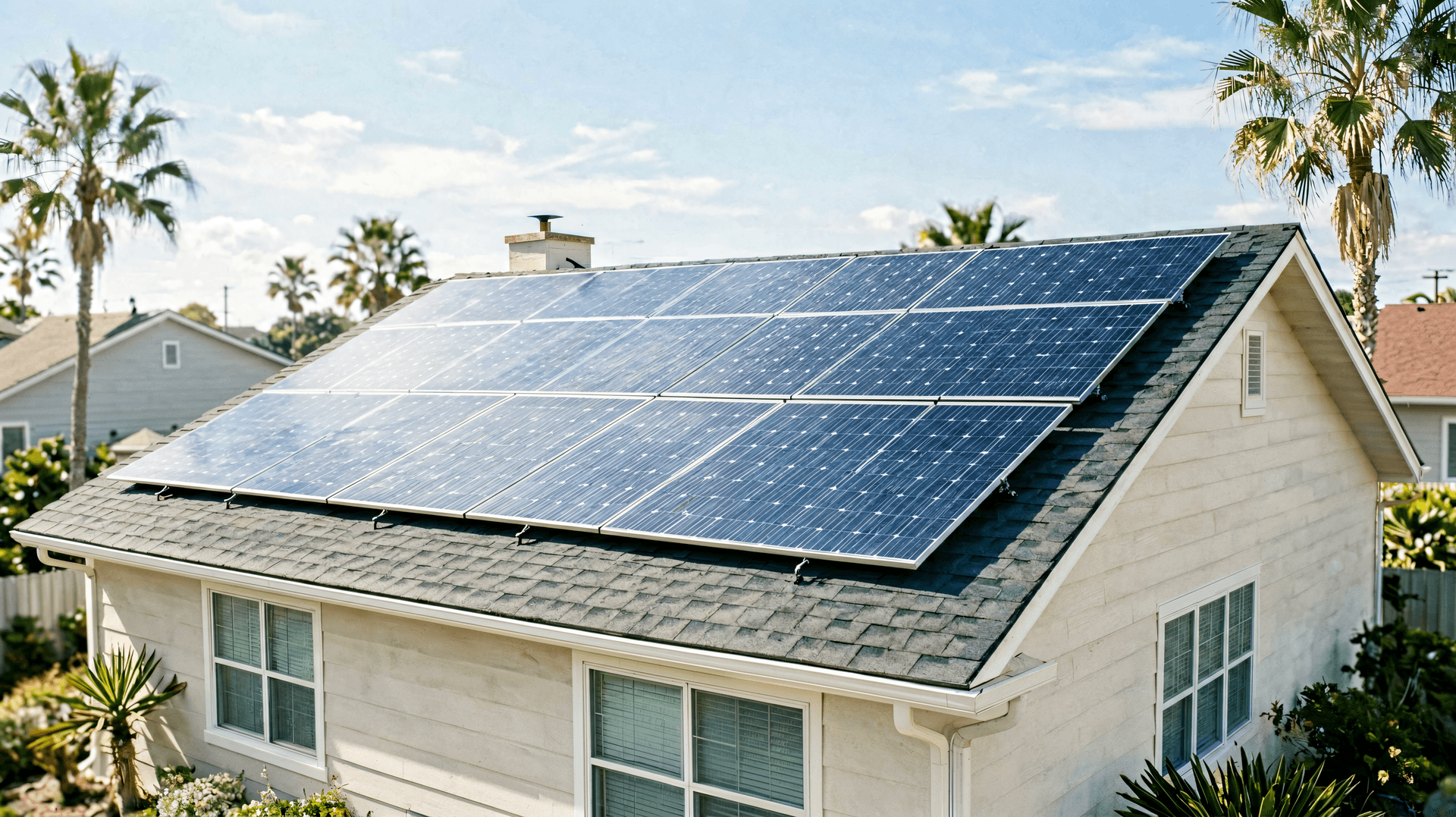
Solar energy offers numerous benefits, particularly for homeowners in Florida, where sunlight is abundant. The primary advantages include reduced electricity bills, lower carbon footprint, and potential increases in property value.
How Does a Solar Lease Work?
A solar lease is an agreement where homeowners pay a fixed monthly amount to use a photovoltaic system installed on their property. The system is owned and maintained by a solar provider. This means you can benefit from solar energy without the hefty upfront costs typically associated with purchasing a system.
What Costs Are Associated with Solar in Florida?
While solar energy can yield savings over time, it's essential to understand the associated costs. A solar lease requires lower initial investments compared to purchasing systems outright. However, homeowners are typically paying for the electricity generated rather than owning the equipment.
| Cost Component | Solar Lease | Buying Outright |
|---|---|---|
| Initial Investment | $0 down (monthly payments apply) | Full payment upfront |
| Monthly Payments | Fixed lease payments | None (paying for installation only) |
| Future Repairs/Maintenance | Covered by provider | Homeowner's responsibility |
| System Ownership | Provider owns the system | Homeowner owns the system |
| Net Metering Eligibility | Generally eligible | Generally eligible |
What is Net Metering and How Does It Work?
Net metering is an essential aspect of solar energy in Florida. It allows homeowners with solar panels to receive credit for the electricity their systems produce and feed back into the grid. Essentially, if your photovoltaic system generates more power than you consume, you can offset future energy bills with those credits.
Are There Incentives for Going Solar in Florida?
Florida residents may qualify for several incentives, making solar more accessible. Programs like PACE (Property Assessed Clean Energy) allow homeowners to finance solar installations through property taxes. In addition, Florida Power & Light provides rebates and credits for solar installations, offering further savings.
How to Determine If Solar is Right for Your Home?
- Assess Your Energy Consumption: Understand your current energy usage by reviewing utility bills.
- Evaluate Your Roof: Ensure your roof can support solar panels and receives adequate sunlight.
- Research Solar Providers: Compare different solar companies to find a reputable provider with good reviews.
- Consider Your Budget: Determine how much you're willing to spend upfront, if anything.
- Check Eligibility for Incentives: Look into local programs that can reduce your overall costs.
What Are Common Misconceptions About Solar Energy?
Many homeowners have misconceptions about solar energy, which can deter them from considering it:
- Solar panels don't work on cloudy days: Even in overcast conditions, solar panels can produce energy, as they harness both direct and diffused sunlight.
- Solar energy is extremely expensive: While there can be upfront costs, a solar lease can provide a more affordable path.
- You need a perfect roof to go solar: Innovations in solar technology, such as ground-mounted systems, allow homes with less-than-perfect roofs to benefit from solar energy.
What Factors Influence Solar Performance in Florida?
A few factors can influence the effectiveness of solar energy systems in Florida:
- Location: Proximity to the equator and regional weather patterns can impact overall solar energy production.
- System Size: The size of the solar system must match the electricity needs of the household to maximize efficiency.
- Orientation and Tilt of Roof: Solar panels perform best when facing south-southeast and at an optimal angle.
Conclusion
Deciding whether solar energy is worth it in Florida involves considering various personal factors including potential savings, maintenance responsibilities, and home ownership. A solar lease offers a flexible option to access solar power without the burden of ownership. If you're curious about solar eligibility for your home, consider checking your options with a local provider today.
With the sunny weather in South Florida, it might be a good time to explore your options!