TL;DR
- Solar leasing allows homeowners to install solar panels with little to no upfront costs.
- Under a solar lease, homeowners do not own the photovoltaic system but benefit from energy generated.
- South Florida homeowners can take advantage of net metering to offset energy costs.
- Leasing is often easier to manage and maintain than owning a solar power system.
- Eligibility for a solar lease can be checked without impact to your credit score.
What is Solar Leasing?
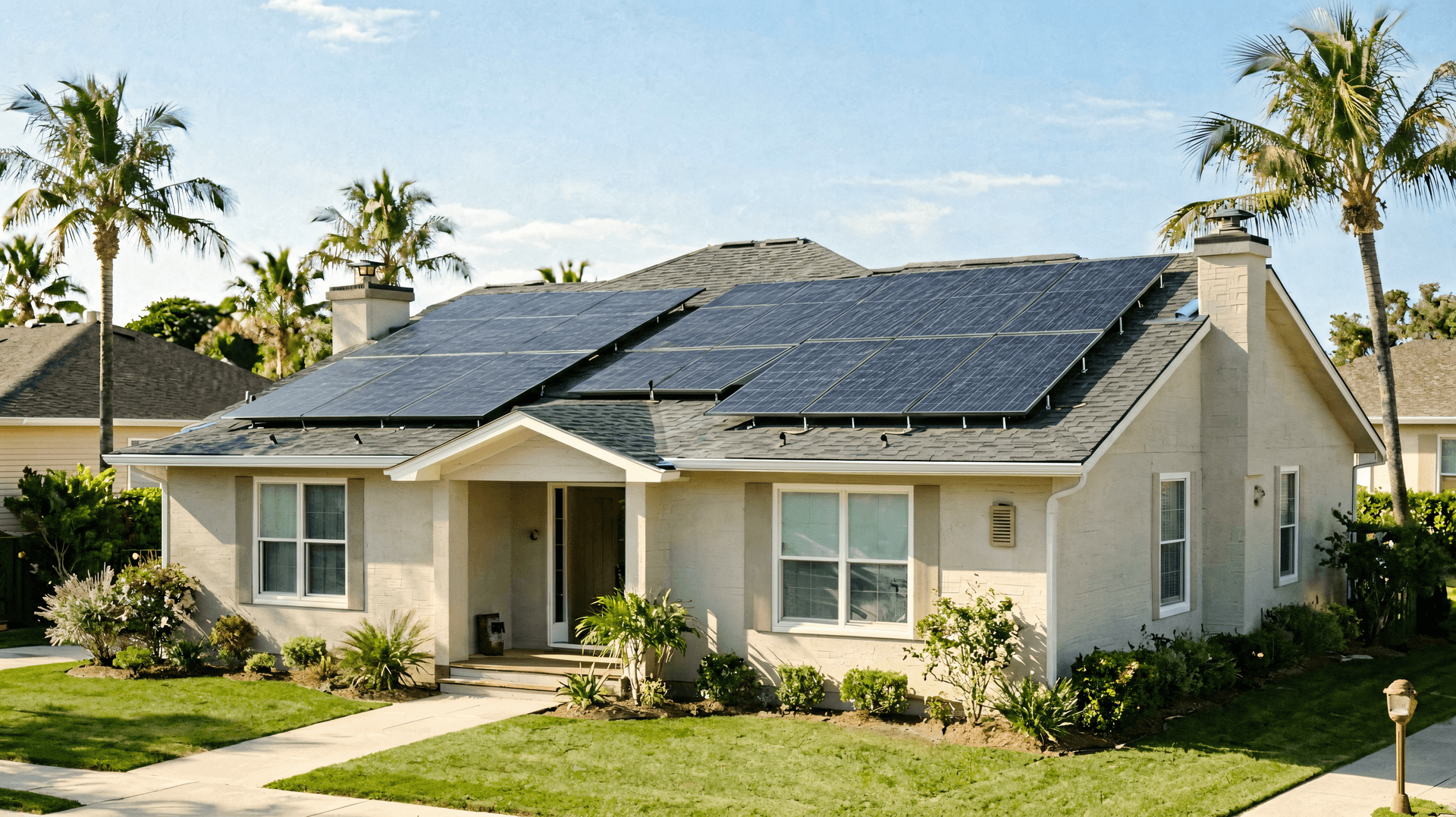
Solar leasing is a financial arrangement that allows homeowners to use solar energy without the responsibility of owning the photovoltaic system. Instead, the system is owned by a leasing company. Homeowners make monthly payments, typically lower than their previous electricity bills, in exchange for using the solar power generated by the system.
How Does Solar Leasing Work in Miami?
In Miami, solar leasing provides an accessible pathway for homeowners to harness solar energy. When homeowners enter into a lease agreement, a solar provider installs the solar panel system on their property at no upfront cost. Once installed, homeowners can begin using the electricity generated by the panels. The leasing company takes care of maintenance and repairs, making it a hassle-free option for many.
Comparison Table: Solar Lease vs. Solar Purchase
| Feature | Solar Lease | Solar Purchase |
|---|---|---|
| Upfront Cost | $0 down | High upfront investment |
| System Ownership | Not owned | Fully owned |
| Monthly Payments | Fixed monthly lease payments | No payments after ROI |
| Maintenance Responsibility | Leasing company | Homeowner |
| Net Metering Benefits | Yes | Yes |
Why Choose a Solar Lease?
Many homeowners in Miami choose solar leasing for various reasons. Here are a few:
- Low Upfront Investment: Solar leasing often requires little to no initial investment, which is appealing for homeowners who want to avoid high upfront costs.
- Maintenance-Free: With a solar lease, the leasing company is responsible for system maintenance. This significantly reduces the burden on homeowners.
- Predictable Costs: Monthly lease payments are often lower than typical energy bills. This predictable payment structure helps homeowners budget more effectively.
- Access to Solar Incentives: Although homeowners do not own the system, they can benefit from net metering. In Florida, this allows them to receive credits for excess energy fed back to the grid, further reducing their energy costs.
What Should Homeowners Consider Before Leasing?
Before entering into a solar lease, homeowners should consider several factors:
- Contract Length: Typically, solar leases last between 20-25 years. Homeowners should ensure they understand the terms and what happens once the lease ends.
- Energy Requirements: It’s crucial for homeowners to understand their energy consumption to ensure the leased system will meet their needs.
- Future Plans: Consideration of future home selling plans is important. If a homeowner leases a system, they must discuss the lease transfer process with potential buyers.
Steps to Get Started with a Solar Lease in Miami
- Research Providers: Look for reputable solar leasing companies that operate in Miami.
- Evaluate Your Energy Needs: Understand your household's energy usage to determine the size of the system needed.
- Get a Quote: Request quotes from multiple providers to compare leasing agreements and terms.
- Review the Contract: Carefully read the lease agreement, focusing on costs, maintenance responsibilities, and contract length.
- Installation: After signing, the solar provider will schedule an installation date.
Conclusion
Solar leasing is becoming an attractive option for homeowners in Miami looking to take advantage of solar energy without the burdens of ownership. With no upfront costs, maintenance-free operations, and potential energy savings through net metering, it's a viable choice for many homeowners. If you're interested in exploring your eligibility for solar leasing, we invite you to check with us for more information. It's a simple way to see if switching to solar can fit your financial and energy needs.