TL;DR
- Solar leasing offers homeowners in Miramar an affordable way to go solar without upfront costs.
- Homeowners retain some utility charges, such as those from Florida Power & Light.
- A solar lease allows you to benefit from net metering, potentially lowering your electricity bill.
- In Miramar, various financing options like PACE can facilitate solar installation.
- Always conduct an eligibility check to understand your potential savings.
What is a Solar Lease?
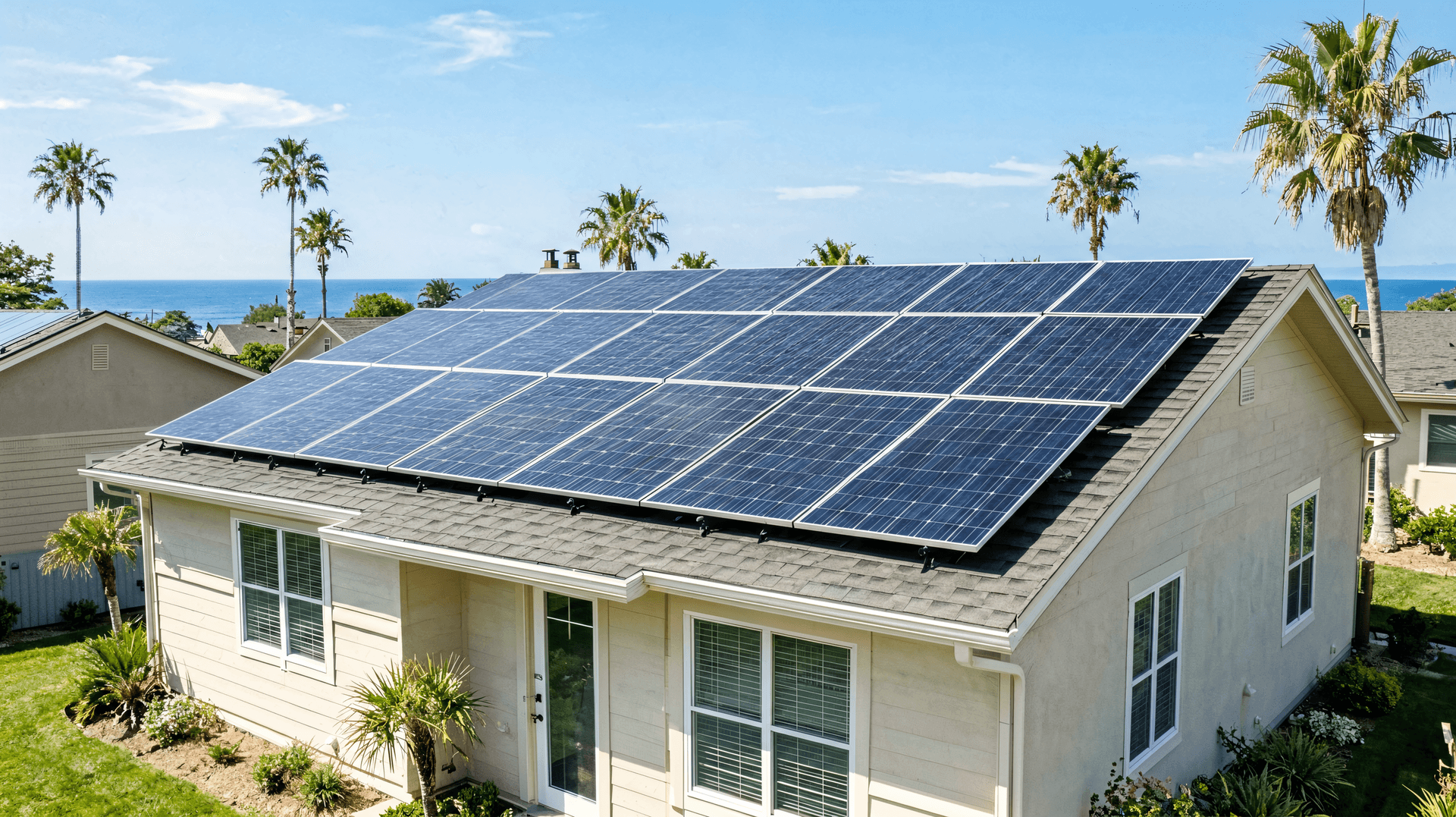
A solar lease is an agreement where a third-party company installs a photovoltaic system on your property, providing you with solar energy without the need for a significant upfront investment. Instead, you pay a monthly fee to lease the solar panels for a set term, typically ranging from 15 to 25 years. Given Miramar's sunny climate, solar leasing can be a beneficial option for homeowners looking to reduce their energy costs while making a positive environmental impact.
How Does Solar Leasing Work in Miramar?
When you enter into a solar lease, the solar provider takes care of all installation and maintenance of the system. As the homeowner, you do not own the solar panels but can still enjoy the benefits of solar energy. The electricity generated is often used to offset your household's power usage, and any excess may be sent back to the grid, potentially earning you credits through net metering.
Comparison of Solar Lease vs. Buying Solar Panels
| Feature | Solar Lease | Buying Solar Panels |
|---|---|---|
| Upfront Costs | Usually $0 down | Large initial payment required |
| Ownership | No, the leasing company owns the system | Yes, you own the system |
| Maintenance | Included in lease agreement | Homeowner's responsibility |
| Utility Charges | Some charges may still apply | Utility charges may be reduced |
| Tax Incentives | Not available to you (provider benefits) | Homeowner can claim federal tax credits |
What are the Benefits of Solar Leasing?
There are several advantages to choosing a solar lease in Miramar:
- No Upfront Investment: One of the most attractive features of solar leasing is that homeowners do not need to pay any money upfront (typically referred to as $0 down).
- Maintenance Covered: The leasing company is responsible for maintenance and repairs, saving you from unexpected costs.
- Predictable Costs: Your monthly lease payments are usually fixed, making it easier to budget.
- Environmental Impact: By choosing solar energy, you contribute to reducing your carbon footprint and supporting renewable energy initiatives.
What Should Homeowners Consider Before Leasing Solar Panels?
Before finalizing a solar lease, there are important factors to consider:
- Long-Term Commitment: A typical solar lease lasts 20 or more years, so be certain about your long-term plans for the property.
- Local Regulations: Review any local ordinances that might impact your installation or operation of solar panels in Miramar.
- Potential Changes in Energy Needs: As your household dynamics change, so might your energy consumption.
- Understanding Terms: Make sure to read and understand all terms of your lease agreement, especially regarding how net metering credits will work.
What is Net Metering and How Does It Affect Me?
Net metering is a billing arrangement that allows you to receive credits for the excess electricity your solar panels generate and send back to the grid. In Miramar, Florida, net metering is a valuable perk for solar customers:
- Offset Energy Costs: The credits can be used to offset energy costs during the evening or cloudy days.
- Earnings Potential: If your system produces more electricity than you use, you may find savings in your energy bill.
How Do I Determine My Eligibility for Solar Leasing in Miramar?
You can evaluate your suitability for solar leasing through the following process:
- Assess Your Roof: Make sure your roof is in good condition and suitable for solar panel installation. A site assessment conducted by a solar provider can help with this.
- Evaluate Your Energy Usage: Review your past utility bills to understand your energy consumption patterns.
- Research Local Providers: Look for reputable solar leasing companies with positive customer reviews in the Miami-Dade, Broward, and Palm Beach counties.
- Check Local Incentives: Investigate any available local incentives or programs, including PACE financing options that may assist with solar installation costs.
- Conduct a Financial Review: Engage with a financial advisor or the solar provider to fully understand the financial implications of solar leasing.
Conclusion
Solar leasing in Miramar, Florida, offers a practical way for homeowners to harness solar energy without the upfront costs of purchasing a system. While it provides various benefits such as maintenance support and predictable monthly payments, it’s crucial to consider your long-term plans and eligibility before committing. If you’re curious about your eligibility for solar leasing and want to explore options suited to your home in Miramar, feel free to reach out for a no-impact check today!